

Quick Summary
A high-protein breakfast for picky eaters should use foods the child already accepts, served in small portions with a familiar texture. Good options include protein waffles, Greek yogurt bowls and nut butter toast. Pairing a protein base with a protein-rich topping keeps the meal filling and gives parents a dependable starting point.
- Protein digests more slowly than refined carbohydrates, helping children stay full longer.
- Choose two or three protein sources your child already accepts and rotate them.
- Serve small portions and avoid pressure; repeated low-pressure exposure works better than forcing bites.
- Pair protein waffles with Greek yogurt or nut or seed butter, not just syrup.
- Batch-cook waffles on the weekend, freeze them in a single layer, and toast them from frozen.
Table of Contents
Why Picky Eaters Need Protein at Breakfast
Picky eaters often skip breakfast or eat only a few safe foods, which can leave them short on protein early in the day. A high-protein breakfast helps kids feel full longer, supports steady energy through the morning, and gives parents a dependable starting point. This guide walks through how to choose a high-protein breakfast that a selective eater will actually finish.
Protein matters at breakfast because it digests more slowly than refined carbohydrates. A meal with a solid protein base tends to hold a child's attention in class longer than a sugary cereal does. USDA MyPlate guidance on protein foods for children
The hardest part is rarely the nutrition. It is getting a child to eat the food in the first place. Most picky eaters respond best to familiar textures, foods they already accept, and small portions they can finish without feeling pressured.
How Much Protein a Kid's Breakfast Should Carry
A child's breakfast does not need to match an adult's protein target, but it should carry a meaningful share of what the child needs for the day. Many pediatric dietitians suggest aiming for a visible protein source at every meal rather than tracking grams obsessively.
Protein needs vary with age, size and activity level. A toddler and a school-age child eating the same breakfast will not need identical portions. American Academy of Pediatrics feeding guidance
When comparing breakfast options, check the label for grams of protein per serving.
High-Protein Breakfast for Kids No Eggs
Many families avoid eggs because a child refuses them, has an allergy, or simply gets tired of eating them every morning. Protein waffles, yogurt-based bowls and nut butter toast all offer a non-egg route.
A practical option is a high-protein waffle. Our High-Protein Belgian Waffle Mix makes about 13 waffles from one 14.5 oz pouch, ready in 3 to 5 minutes per waffle on the iron. Add an egg, a tablespoon of oil and a cup of milk, plant milk or water. High-Protein Belgian Waffle Mix is a good starting point for parents who want protein without a fight at the table.
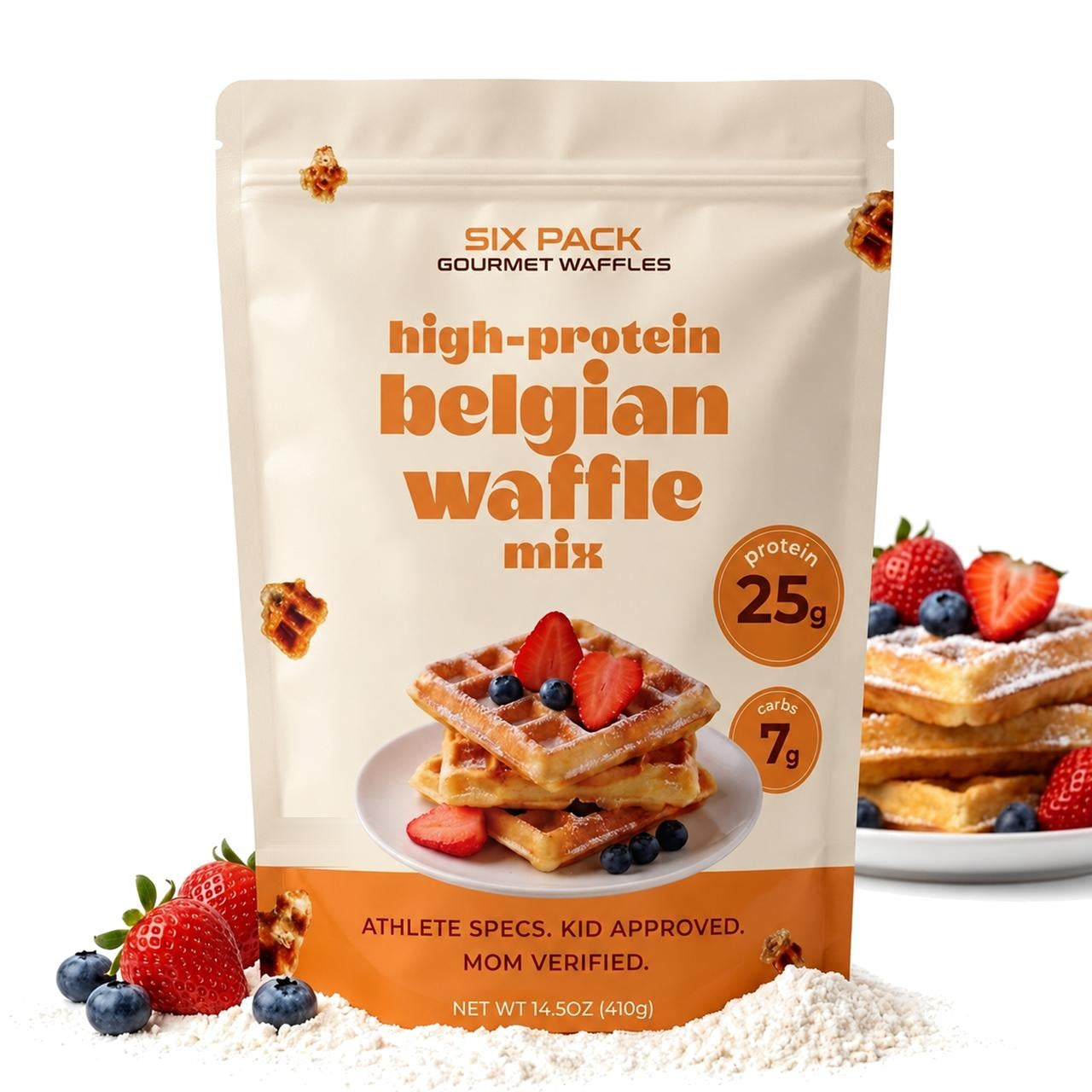
Watch out: pair waffles with a protein-rich topping such as Greek yogurt or a thin layer of nut or seed butter, not just syrup, or the protein gain disappears.
High Protein Breakfast for Picky Eaters Vegetarian Options
Vegetarian families can build a high-protein breakfast around dairy, eggs (if accepted), legumes, nut butters and soy or plant-based products. The goal is to find two or three protein sources a child already accepts and rotate them.
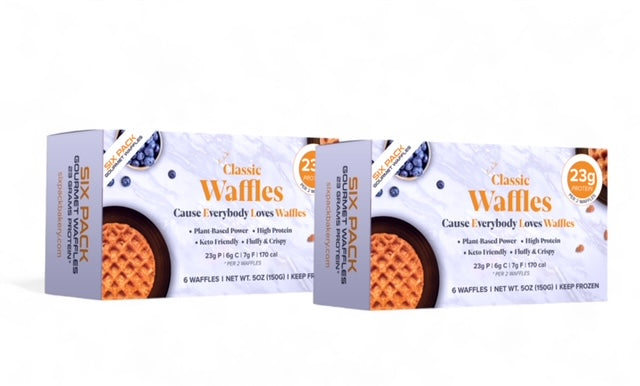
Our Classic Vegan Bundle is a useful option for families who avoid animal products. The waffles in this bundle contain 25g of plant-based protein and 6g of carbs for every two waffles. Parents following a vegetarian or vegan pattern should still read ingredient lists closely, since some toppings contain animal-derived ingredients.
Healthy Breakfast for Kids Before School: Quick and No-Cook Ideas
School mornings leave little time for cooking. The best options are ones that take under five minutes or need no cooking at all.
Strong no-cook choices include Greek yogurt with fruit, cheese cubes with whole-grain crackers, and nut butter on whole-grain toast. Make-ahead items also work well. Keep a stack of protein waffles in the freezer and toast them straight from frozen.
For a hands-on approach, let your child pick one topping from a short list you set out. Kids who help choose are more likely to eat what lands on their plate.
High Protein Breakfast for Picky Eaters Toddlers: Texture and Familiarity Tips
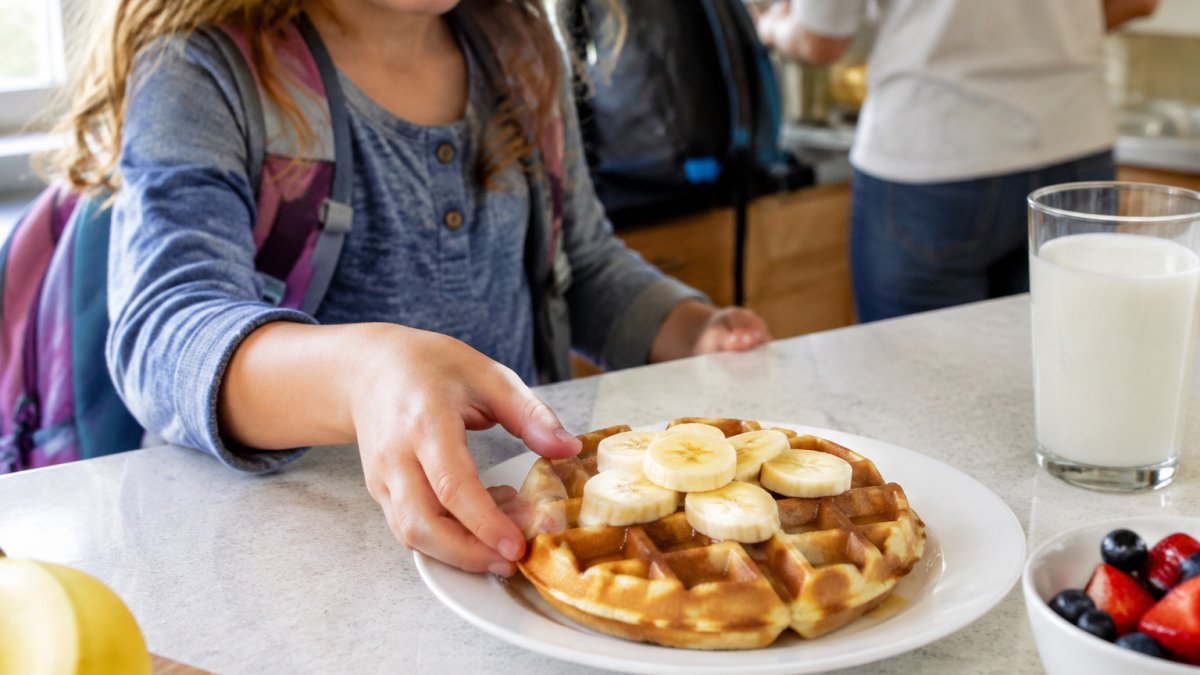
Toddlers often reject foods based on texture before taste. A waffle that is crisp outside and soft inside is easier for many toddlers to manage than a dense muffin or a thick pancake.
Introduce new foods gradually. Serve a small amount beside a food your child already eats. Avoid pressure, since repeated low-pressure exposure works better than forcing a bite. Cut food into small, easy-to-hold pieces.
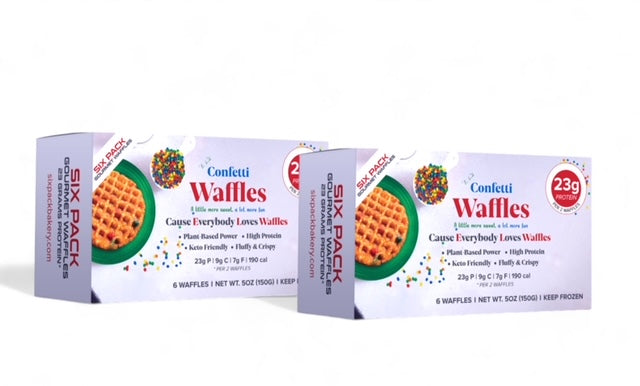
Our Confetti Fun Bundle is a familiar, fun-looking option for toddlers. This bundle contains 24 waffles, with 23g of protein per two waffles.
Make-Ahead Protein Waffles for Busy Mornings
Batch cooking is one of the most reliable ways to keep a high-protein breakfast on the table during the school week. Make a full batch on Sunday, cool the waffles, and freeze them in a single layer before bagging.
Storage matters. Enjoy waffles within five days of receiving, or freeze for up to six months.
Start Your Picky Eater's Next Breakfast With Protein Waffles
Picky eaters respond best to foods that feel familiar, so a waffle is an easy place to start. Begin with the Classic Bundle, which includes 24 waffles. Serve one or two alongside a fruit and a protein topping, and watch what gets finished.
If your child accepts the Classic waffle, try the Confetti Fun Bundle or the Chocolate Lovers Bundle for variety. Each bundle is priced at $47.99 for 24 waffles.
Browse the Classic Bundle (24 waffles) or try the Confetti Fun Bundle (24 waffles) to see which flavor your picky eater will try first.
Frequently Asked Questions
What are some good protein breakfast ideas for picky eaters?
Start with foods kids already accept and add protein to them. Toasted high-protein waffles with fruit, Greek yogurt with a familiar topping, scrambled eggs with cheese, and nut or seed butter on toast all work well. Change one variable at a time, such as serving a familiar food with a small protein boost, so the meal still looks like what the child expects. Offering the same food several times over weeks often matters more than the first refusal.
How much protein should a kid's breakfast have?
A useful target for many children is roughly 10 to 15 grams of protein at breakfast, though needs vary with age, size and activity level. Check the protein per serving on the package, since a single serving of a high-protein waffle can supply a meaningful share of that. Pair protein with fruit or whole grains for a more balanced start. A pediatrician or registered dietitian can give personalized targets for a specific child.
Can I make a high-protein breakfast for picky eaters without eggs?
Yes. Options include high-protein waffles, Greek yogurt parfaits, overnight oats made with protein powder or milk, and nut or seed butter on toast. Look for dairy-free or soy-free versions if those are concerns, and read labels for allergens. For a no-cook choice, pack a yogurt cup and a protein waffle with fruit.
